The Cape Chestnut: Kenya’s Floral Crown Jewel
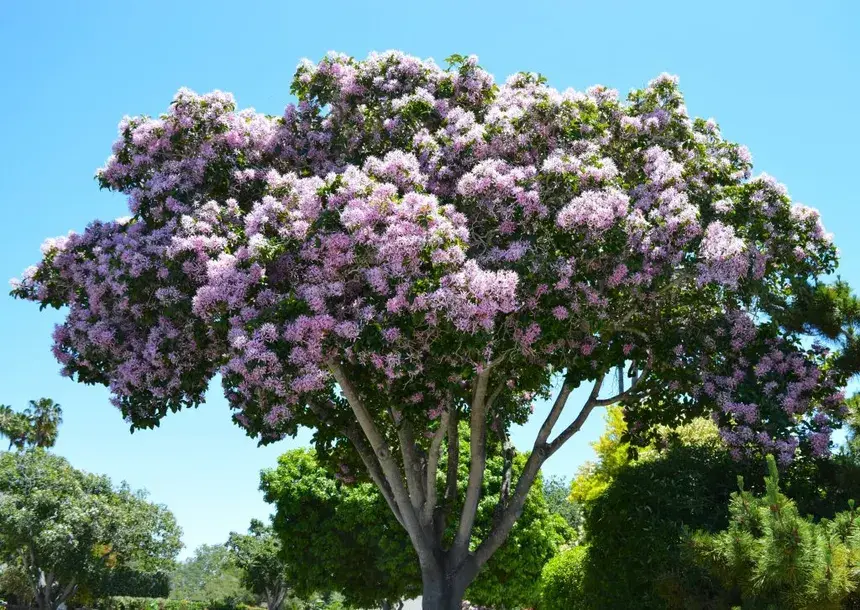
In the high-altitude forests and along the lush ridges surrounding Limuru, there is a tree that demands attention when it blooms. The Cape Chestnut (Calodendrum capense), known locally as the Muarubaini (though often distinguished from the Neem tree by its stunning floral display), is one of the most spectacular flowering trees native to the Kenyan highlands. When in season, its massive, cloud-like canopies of pink and white flowers turn the forest skyline into a vibrant landscape painting.
Beauty and Botanical Structure
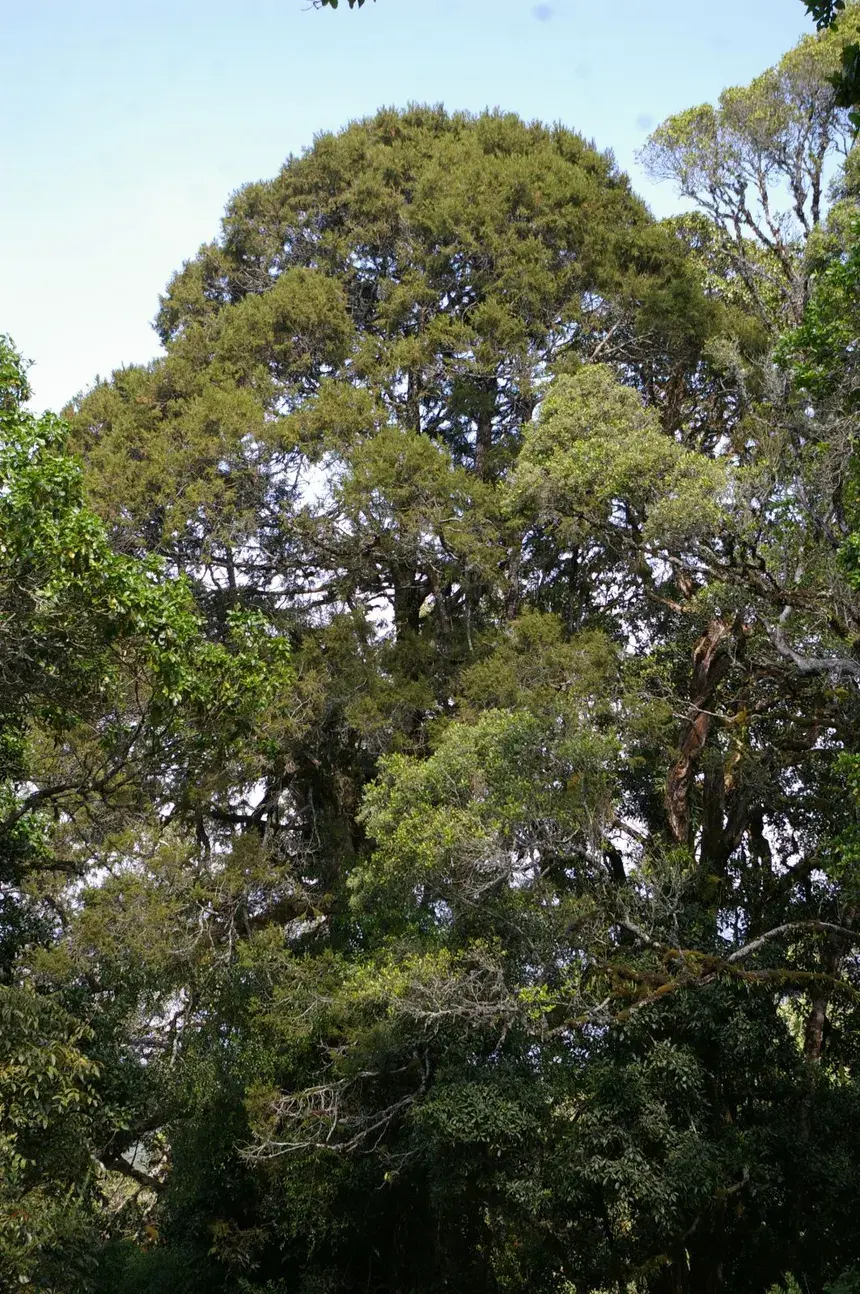
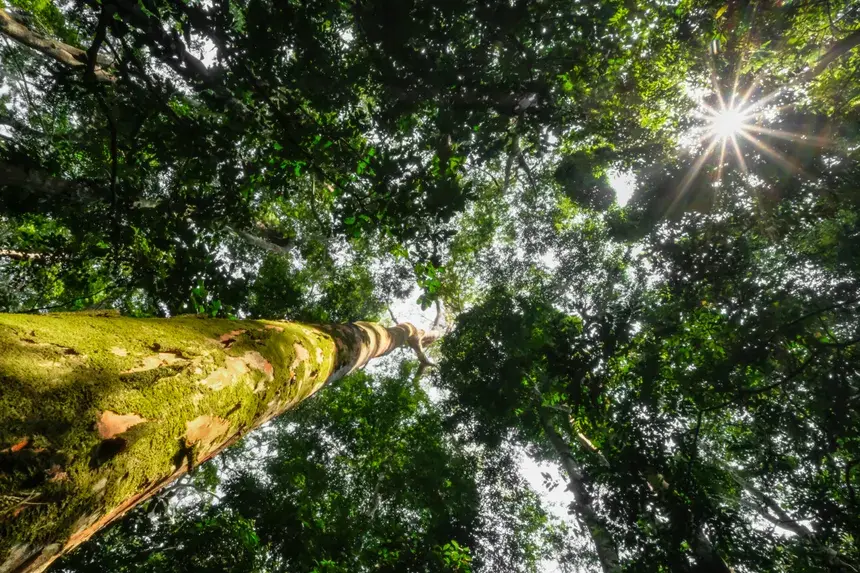
The Cape Chestnut is a medium to large evergreen tree that typically grows between 10 and 20 meters tall. It has a smooth, grey bark and a dense, rounded crown that provides excellent shade.
Its most iconic features include:
The Flowers: These are the tree’s pride. Appearing in large, showy terminal sprays, the flowers are orchid-like, featuring five long, pink-to-white petals dotted with purple spots. The scent they release in the evenings is sweet and intoxicating.
The Leaves: Large, dark green, and opposite, they are dotted with translucent oil glands that are visible when held up to the sunlight—a characteristic that makes them aromatic when crushed.
The Fruit: Following the bloom, the tree produces large, woody, spherical capsules that are covered in warty protuberances. When ripe, these capsules split open to reveal shiny, black, oily seeds.
Why the Cape Chestnut Matters
Beyond its undeniable aesthetic appeal, the Cape Chestnut is a functional member of the Afromontane ecosystem.
A Haven for Pollinators: The flowers are a magnet for bees, butterflies, and nectar-feeding birds. By planting this tree, you are actively supporting the local pollinator population, which is essential for the health of nearby crops and gardens.
Medicinal and Traditional Use: The seeds are rich in oil, which has been utilized in traditional cosmetic and medicinal applications. Some communities use the oil for its skin-soothing properties, while other parts of the tree have been referenced in historical botanical records for their potential therapeutic uses.
Landscape Resilience: Because the tree is native to the region, it is well-adapted to the rainfall and temperature patterns of Limuru. It is relatively hardy, drought-tolerant once established, and provides a significant canopy that helps maintain soil moisture.
Integrating the Cape Chestnut into Your Land
At Bulbul Farm, we advocate for the use of "functional beauty" in landscaping. The Cape Chestnut is the perfect example of a tree that serves both ecological and aesthetic purposes.
When planting on your property, consider the following:
Space Requirements: These trees have a wide, spreading canopy, so ensure they have enough room to reach their full potential without crowding buildings or power lines.
Soil Preference: They thrive in the deep, well-drained volcanic soils typical of the Kiambu region.
Biodiversity Anchor: Because it is a native species, it fits seamlessly into the local bird corridors, offering nesting sites and food that introduced, ornamental species cannot provide.
A Living Landmark
Planting a Cape Chestnut is a long-term investment in the visual identity of our region. It is a tree that signals the change of seasons and reminds us of the natural splendor that the Kenyan highlands possess. Whether used as a standalone ornamental centerpiece for a garden or as part of a larger restoration project, the Calodendrum capense is a reminder that nature is the most gifted architect of all.