The African Pencil Cedar: A Sentinel of the Highlands
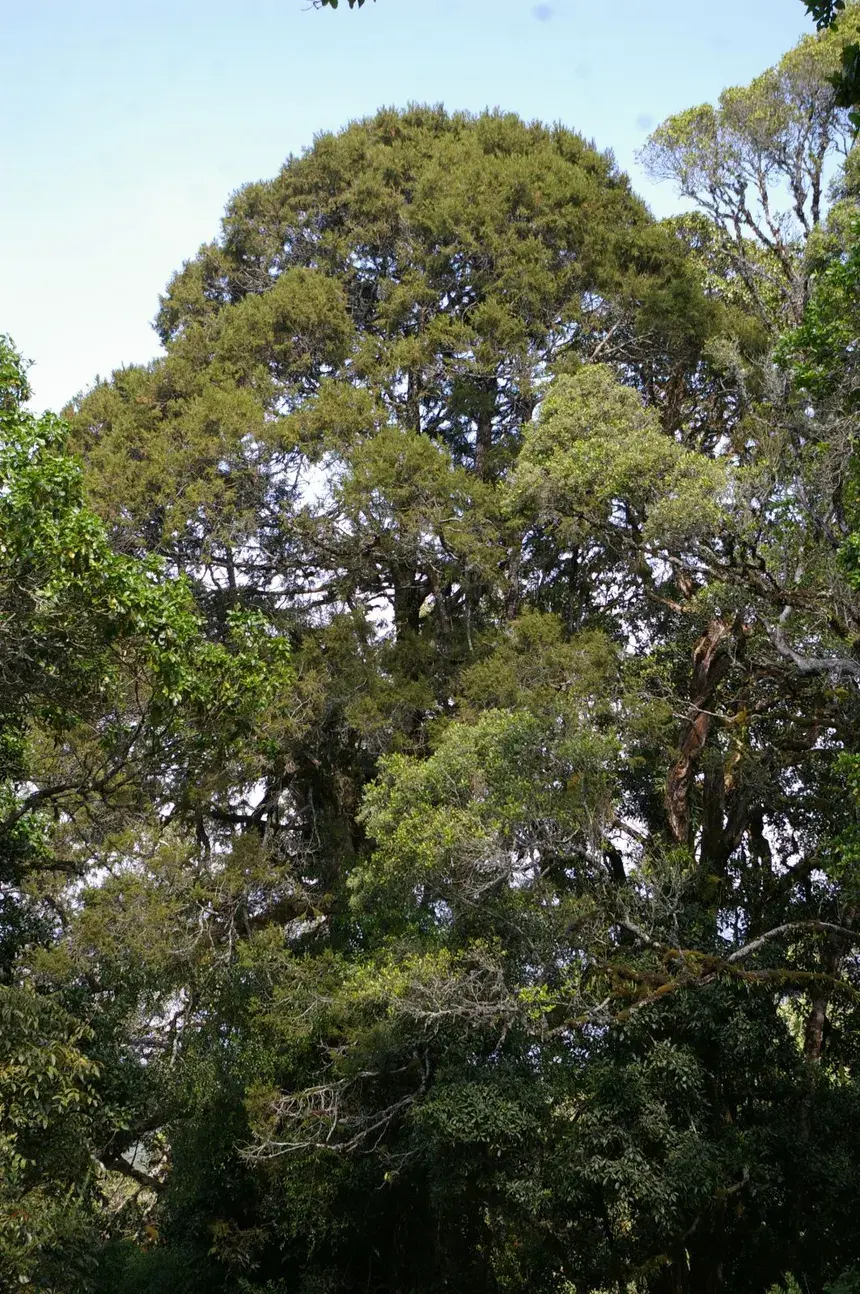
Standing tall against the misty backdrop of the Limuru landscape is the African Pencil Cedar (Juniperus procera). Known locally in many regions as Mutarakwa, this evergreen conifer is one of the most iconic and resilient trees in the Afromontane forest. It is a tree of deep history, often associated with the high-altitude ridges where it acts as a majestic sentinel, enduring both the cool mountain air and the intense equatorial sun.
A Masterpiece of Vertical Growth
The African Pencil Cedar is a striking sight, often growing straight and tall to heights of 25 to 40 meters. It is one of the few native conifers in Kenya and serves as a classic architectural feature of our natural environment.
Key characteristics that make it stand out:
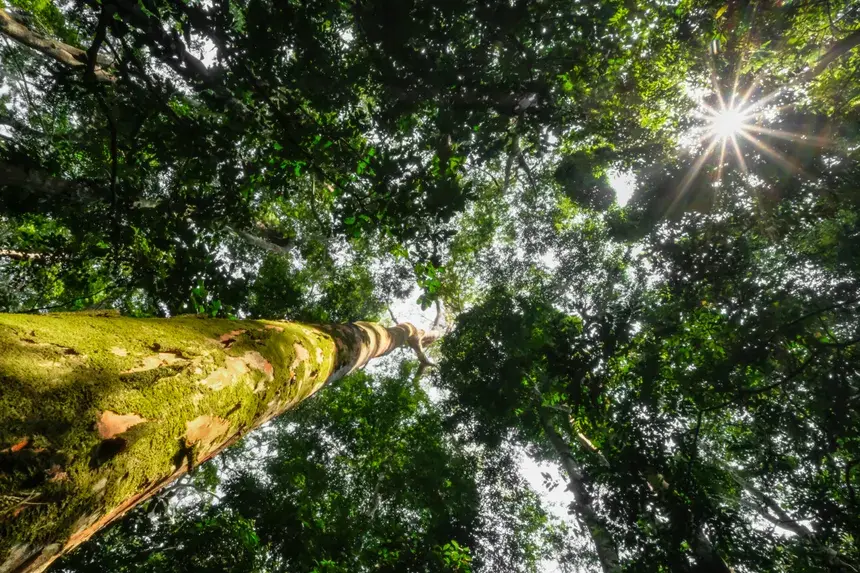
The Bark: The bark is typically reddish-brown, fibrous, and peels away in long, vertical strips as the tree matures, giving it a weathered, rugged appearance.
The Foliage: Young trees start with sharp, needle-like leaves, while mature trees develop small, scale-like leaves that press closely to the branches, creating a dense, fine-textured canopy.
The Cones: Unlike the large, woody cones of European pines, the cedar produces tiny, fleshy, berry-like cones that start blue-green and ripen to a deep purple or brown. These are a vital food source for a variety of forest birds.
Why the Mutarakwa Matters
The African Pencil Cedar is an ecological anchor for the Kenyan highlands. Its deep root system is incredibly effective at stabilizing the steep, volcanic hillsides found throughout Limuru and Kiambu, preventing soil erosion during heavy rains.
Beyond its physical utility:
Water Catchment Protection: By regulating the micro-climate and soil moisture, the cedar plays a crucial role in maintaining the water tables that feed our local streams and springs.
Timber of Legend: The heartwood of the cedar is famous for being rot-resistant, insect-repellent, and possessing a pleasant, aromatic scent. It has historically been the preferred wood for high-end carpentry, flooring, and even traditional pencil manufacturing.
Carbon Sequestration: As a long-lived and massive tree, it is an efficient carbon sink, helping to mitigate the impacts of climate change at a local level.
Integrating the Cedar into Your Landscape
Integrating the Juniperus procera into your property is a commitment to the long-term health of the environment. Because it is a slow-growing species, it represents a generational investment.
If you are planning a reforestation project or a large-scale landscape design, keep these tips in mind:
Strategic Placement: Its tall, narrow profile makes it an excellent choice for creating natural property boundaries or windbreaks that do not block out all the sunlight.
Ecological Synergy: The cedar works beautifully when planted alongside broad-leaved indigenous trees like the Prunus africana. This creates a diverse, multi-layered canopy that provides habitat for a wider range of birds and beneficial insects.
Patience and Stewardship: As a hardy native species, it requires little maintenance once established. The key is protection during its early years, ensuring it has the space to grow without competition from invasive weeds.
A Legacy for the Future
To plant a Pencil Cedar is to plant a piece of history. These trees have stood over the Kenyan hills for centuries, witnessing the changing landscape. By ensuring their presence on our farms and estates, we are honoring the natural heritage of the Limuru highlands and providing a sanctuary for the local biodiversity that relies on these giants for survival.